How to Use an Elvish Translator: A Complete 2026 Guide
Middle-earth has a way of pulling people in, and sooner or later, that pull turns into a simple question: how do I actually translate English to Elvish? Whether you’re naming a character, designing artwork, or just chasing a lifelong love of Tolkien’s world, the process is more approachable than it looks once you understand a few basics.
This guide walks you through exactly that, using a reliable Elvish translator as your companion along the way.
What Does an Elvish Translator Actually Do?
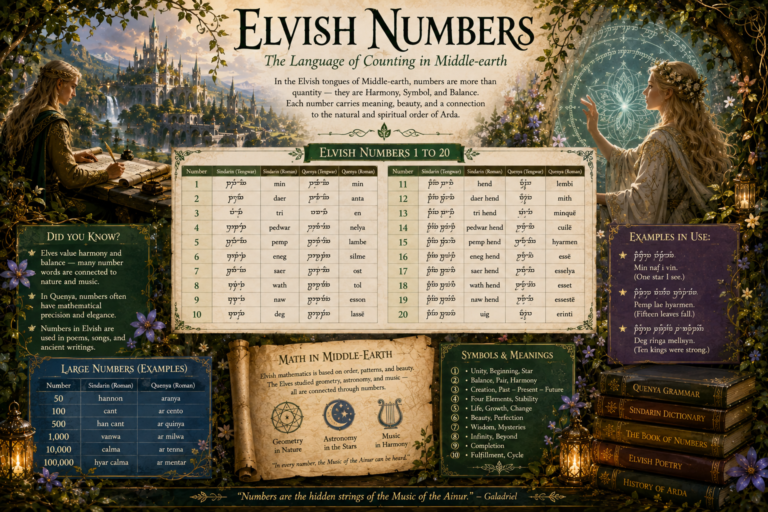
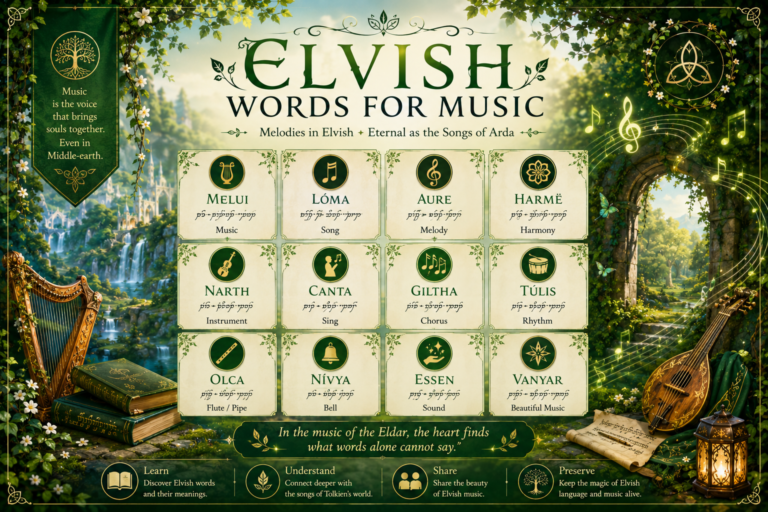
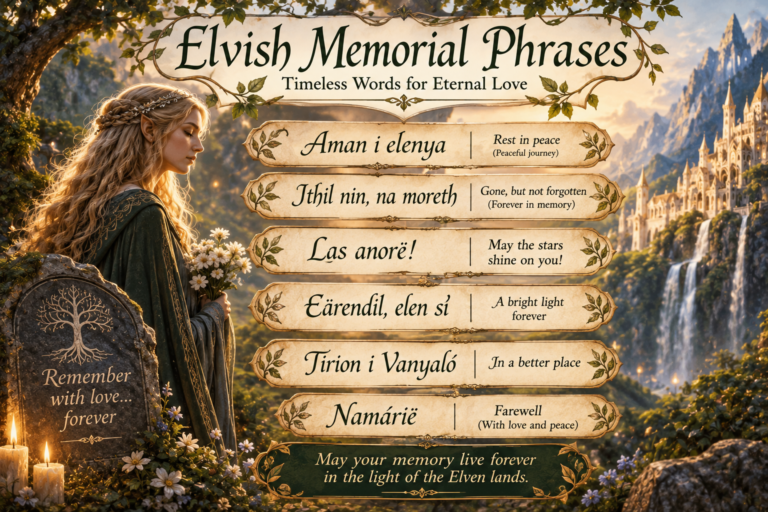
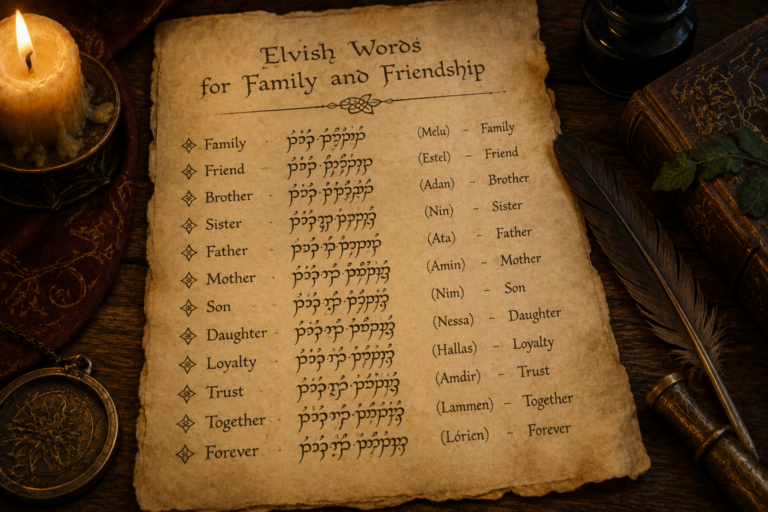
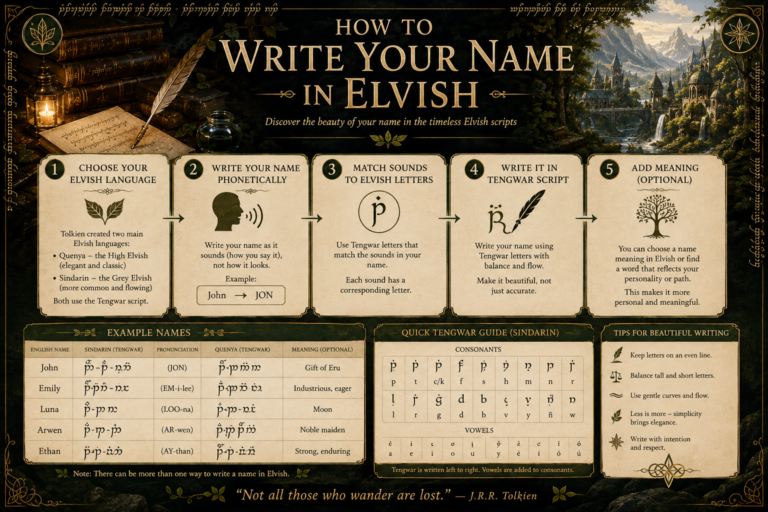
An Elvish translator converts English words or phrases into Elvish-inspired scripts and vocabulary, most commonly Tengwar characters paired with Sindarin or Quenya word choices. Tolkien built these languages with real linguistic structure, borrowing patterns from Finnish, Welsh, and Latin, so a good tool doesn’t just swap letters. It reflects grammar rules, sound patterns, and the handful of documented vocabulary Tolkien left behind.
That last point matters more than most guides admit. Elvish was never finished as a complete, modern language. Some phrases have official equivalents; others require reasonable interpretation based on published sources. A trustworthy translation tool will be upfront about which is which, rather than presenting guesswork as certainty.

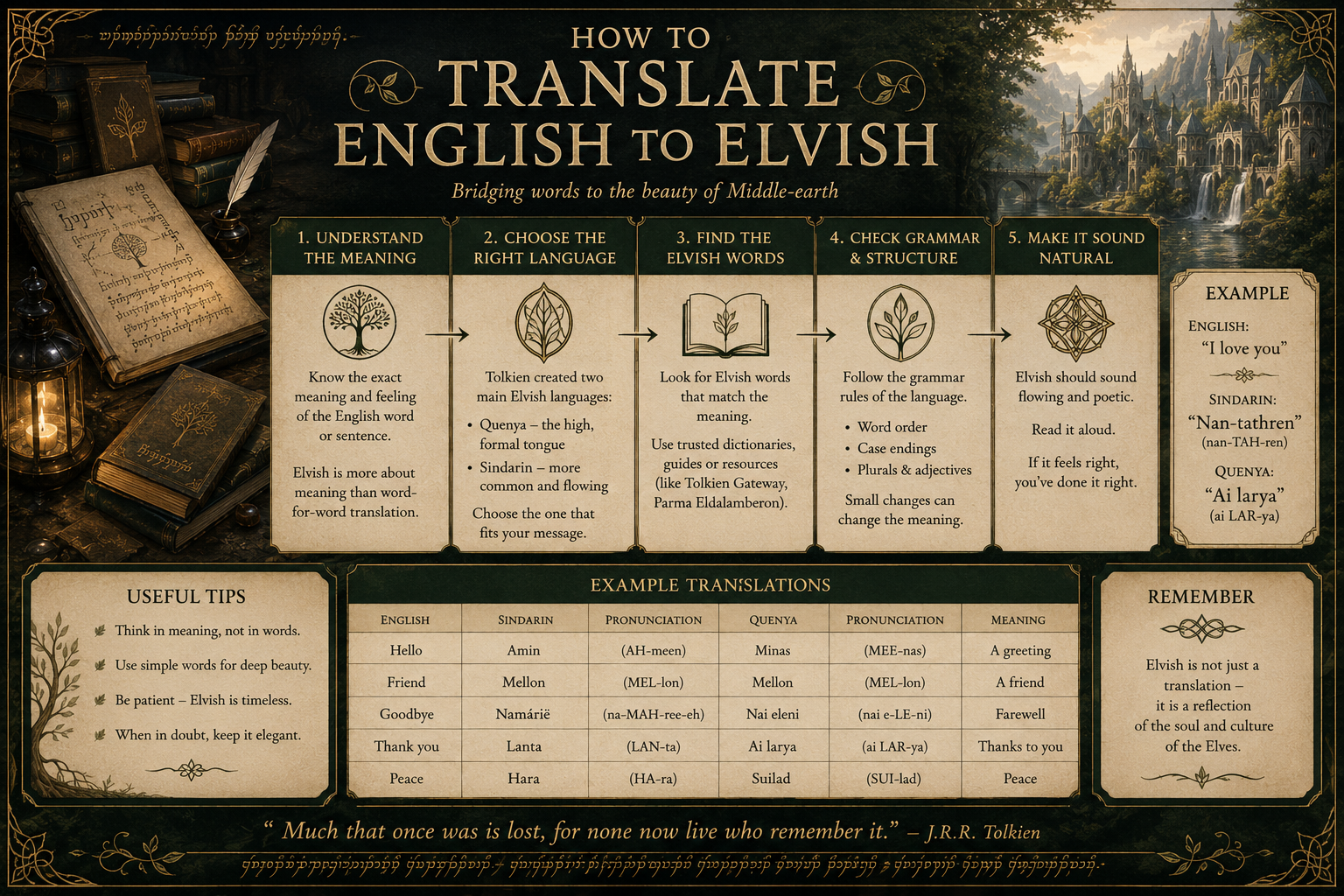
Step 1: Understand the Two Main Languages
Before you translate anything, it helps to know what you’re working with.
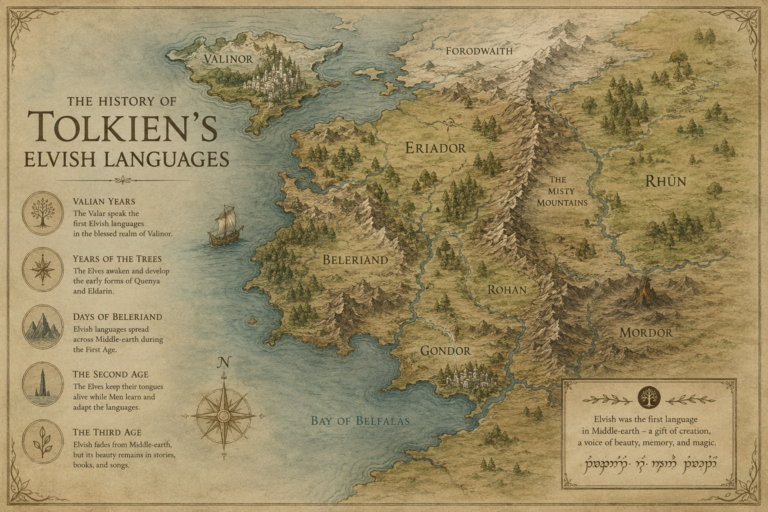
- Quenya – often called “High-elvish,” more formal and ceremonial, similar in feel to Latin
- Sindarin – the more commonly spoken Elvish tongue in Tolkien’s writings, closer to everyday use
Most online tools, including ours, default to Sindarin for general phrases since it has broader documented vocabulary, but it’s worth specifying which language you want if your project has a particular tone in mind.

Step 2: Choose Simple, Clear Phrases
Short, direct phrases translate far more reliably than long or idiomatic English sentences. Think names, single words, or short blessings rather than full paragraphs. This isn’t a limitation of any one Elvish translator; it’s a reality of working with a constructed language that has a limited vocabulary bank.
If a word doesn’t exist in the historical record, a good tool will either flag it or offer the closest documented alternative instead of fabricating something and calling it authentic.

Step 3: Run Your Text Through the Translator
Once you’ve picked your phrase, enter it into your chosen translation tool and review the output carefully.
- Check whether the tool shows both the Elvish word and its Tengwar script
- Look for a note on which language (Quenya or Sindarin) was used
- Pay attention to any flags about words with no direct historical equivalent
A little patience here goes a long way, especially if the translation is headed somewhere permanent.

Step 4: Verify Before Anything Permanent
This step deserves its own spotlight because it’s the one most guides skip.
If your translation is destined for a tattoo, an engraving, or anything else you can’t undo, cross-check it against more than one source. Community forums, published Tolkien linguistic guides, and multiple translator tools can help confirm consistency. Think of it the way you’d double-check a legal document before signing: a few extra minutes now can save real regret later.

Step 5: Learn the Script, Not Just the Words
Translating a word is one thing; reading it is another. Tengwar isn’t an alphabet in the traditional sense; it’s a writing system where letter shapes shift based on the sounds they represent. Spending even twenty minutes learning the basic Tengwar chart will help you actually understand your translation instead of just copying symbols onto a page.
Many learners find that pairing a translator with a simple Tengwar reference chart turns a one-time lookup into something closer to real, if modest, fluency.
Why Accuracy Matters More Than Speed
It’s tempting to grab the first result and move on, but Elvish translation rewards a bit of patience. Tolkien’s languages were built with internal logic, not random substitution, so a translator that respects grammar and documented vocabulary will consistently outperform one that simply maps English words to Elvish-sounding syllables.
This is also where transparency counts. A tool that explains its reasoning, and admits when a word is uncertain, is doing you a bigger favor than one that hands you a confident-looking answer with no context.
Choosing the Right Tool for Elvish Translation
Not all tools are built the same way, and the differences show up quickly once you start comparing results. A dependable translator should:
- Base its output on documented Sindarin and Quenya vocabulary, not random generation
- Clearly indicate when no official word exists for a given term
- Offer both the translated word and its Tengwar script
- Be maintained and corrected over time based on community and research feedback
Our Elvish translator was built around exactly these principles, by fans who care about getting the details right rather than just producing something that looks impressive at a glance.
Common Mistakes Beginners Make
- Translating long, idiomatic sentences instead of short, clear phrases
- Assuming every English word has a direct Elvish equivalent
- Skipping verification before permanent use
- Mixing Quenya and Sindarin vocabulary without realizing it
- Treating a single tool’s output as the final, unquestionable answer
Avoiding these five habits alone will put you ahead of most first-time users.
Final Thoughts
Learning to use an Elvish translator well isn’t about memorizing a dictionary overnight; it’s about understanding a language built with care, and treating it with the same care in return. Start with short phrases, verify anything permanent, and take a little time to learn the Tengwar script alongside your translations. Do that, and Middle-earth’s languages stop feeling like a novelty and start feeling like something you genuinely understand.