
Best Elvish Translator Tools: How to Actually Choose One
A quick search for the best Elvish translator turns up dozens of options within seconds, and almost none of them explain how they actually work. That’s a problem, because not every tool claiming to “translate” your text into Elvish is doing anything close to real translation. Some are genuinely useful. Others are little more than a font swap dressed up with a fantasy label.
Here’s how to tell the difference, and what actually separates a trustworthy option from the rest of the pack.
What Separates a Good Tool From a Weak One
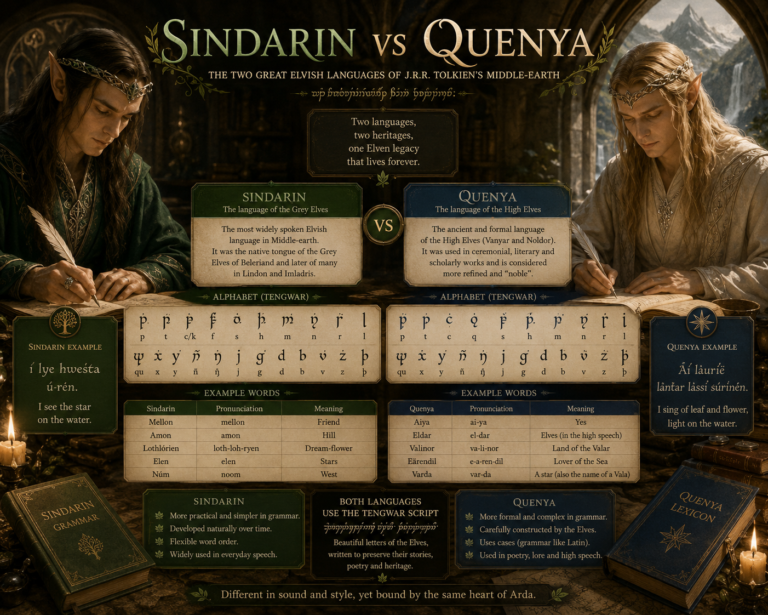
The single biggest differentiator isn’t visual polish; it’s transparency. A strong Elvish translator explains its reasoning: which language it used, Sindarin or Quenya, why a particular word was chosen, and whether any part of your phrase had no documented equivalent. Weak tools skip all of that and just hand you an image, leaving you with no way to verify what you’re actually looking at.
That single difference tells you almost everything you need to know within the first few seconds of using a tool.
Key Features Worth Checking For
Before trusting any results from a best Elvish translator candidate, look for these signs of a genuinely reliable option:
- Clear labeling of which language, Sindarin or Quenya, was used for your translation
- An explanation of reasoning, not just a finished image with no context
- Flags for words with no official documented equivalent, rather than invented substitutes presented as fact
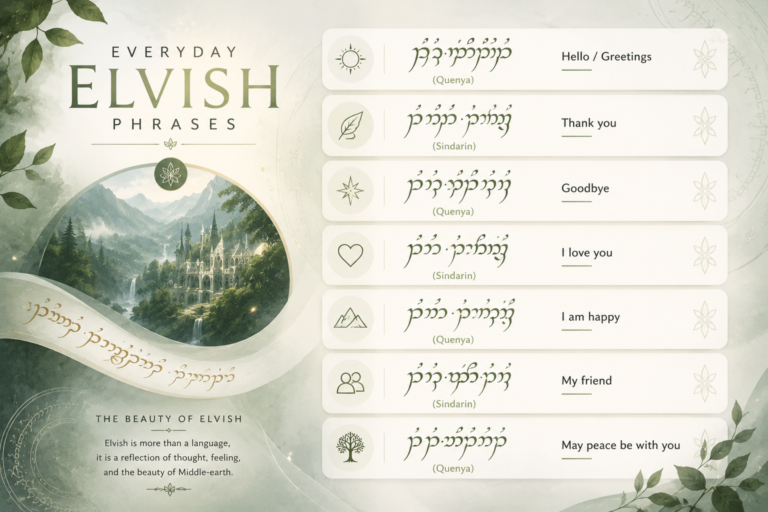
- Both the translated word and its Tengwar script shown together, not just one or the other
- Evidence the tool is maintained or corrected over time, rather than a static script nobody’s touched in years
A tool checking most or all of these boxes is genuinely trying to get things right, not just trying to look impressive.
Red Flags to Watch Out For
- No mention anywhere of Sindarin versus Quenya, suggesting the tool isn’t actually distinguishing between real Elvish languages
- Instant results for long, complex sentences with zero caveats, since genuine Elvish vocabulary simply can’t support that level of complexity honestly
- No way to see reasoning or an explanation behind the output
- Overly confident language claiming “100% accurate” translations, when even dedicated Tolkien linguists acknowledge real gaps in documented vocabulary
That last point is worth sitting with. Any tool claiming total certainty about an intentionally unfinished language is telling you more about its marketing than its accuracy.
Free vs. Paid: Does It Matter?
Price alone doesn’t determine quality here. Plenty of free tools are built by genuinely dedicated fans and researchers, while some paid options lean more on flashy design than linguistic accuracy. What matters far more than cost is whether the tool is transparent about its methods and honest about its limitations, regardless of what it charges.
How to Test a Tool Before Trusting It
- Translate a short, well-documented word or name and compare the result across two or three different tools
- Check whether the explanations, not just the outputs, roughly agree with each other
- Look for a note on which language was used, and confirm it matches what you expected
- Search the tool’s name alongside “accuracy” or “review” to see what the wider community says
A few minutes of comparison testing upfront can save real disappointment later, especially before anything permanent is involved.
Final Thoughts
The best Elvish translator tools share a common thread: they treat Tolkien’s languages with the same care he built into them, acknowledging limitations instead of papering over them with false confidence. Look past flashy design, check for real explanations behind each result, and don’t hesitate to cross-check before trusting any single source completely. Choose that way, and you’ll end up with a translation worth actually standing behind.