Bräurosl
A tent with more recent drama than any other on the Theresienwiese — a new host, a full rebuild, and the biggest LGBTQ+ celebration of the entire festival, all in the same building.
The Bräurosl has had one of the roughest recent histories of any tent at Oktoberfest — a beloved host family stepping away after 83 years, a full rebuild, and a rocky debut for the new host that made national headlines. It’s also home to Gay Sunday, one of the single biggest days on the entire festival calendar. Whatever else changes here year to year, that combination of drama and tradition keeps this tent firmly in the conversation.
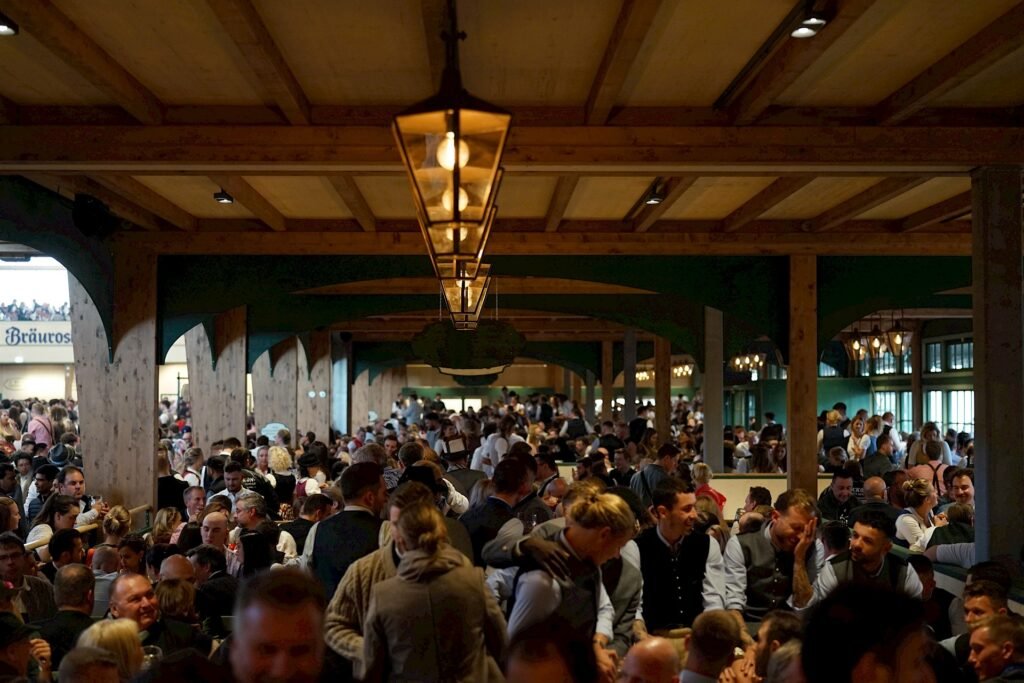
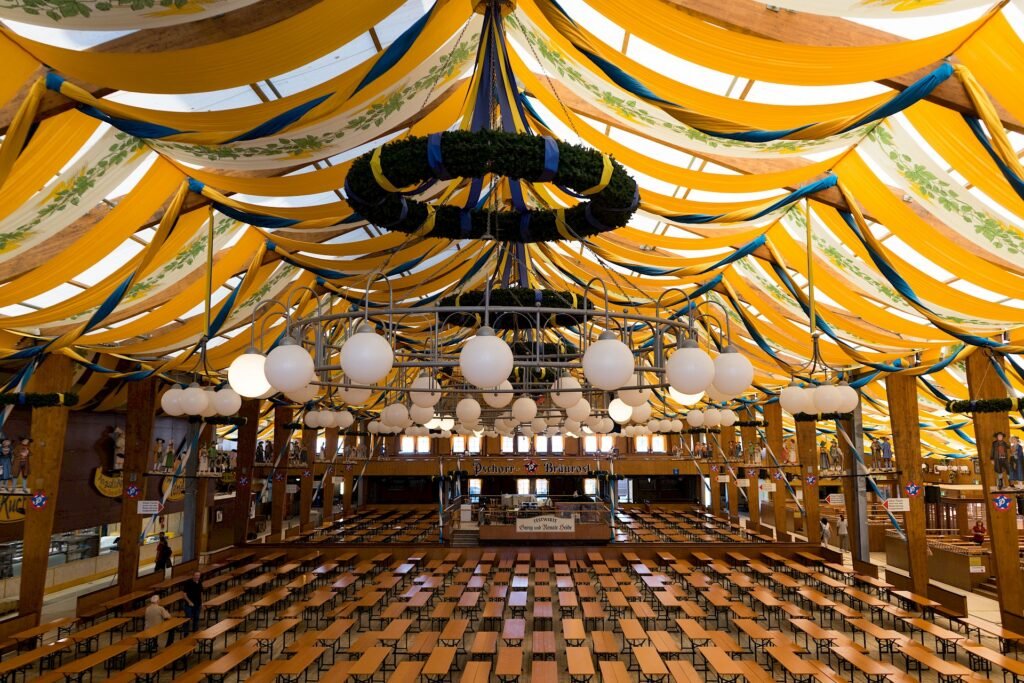
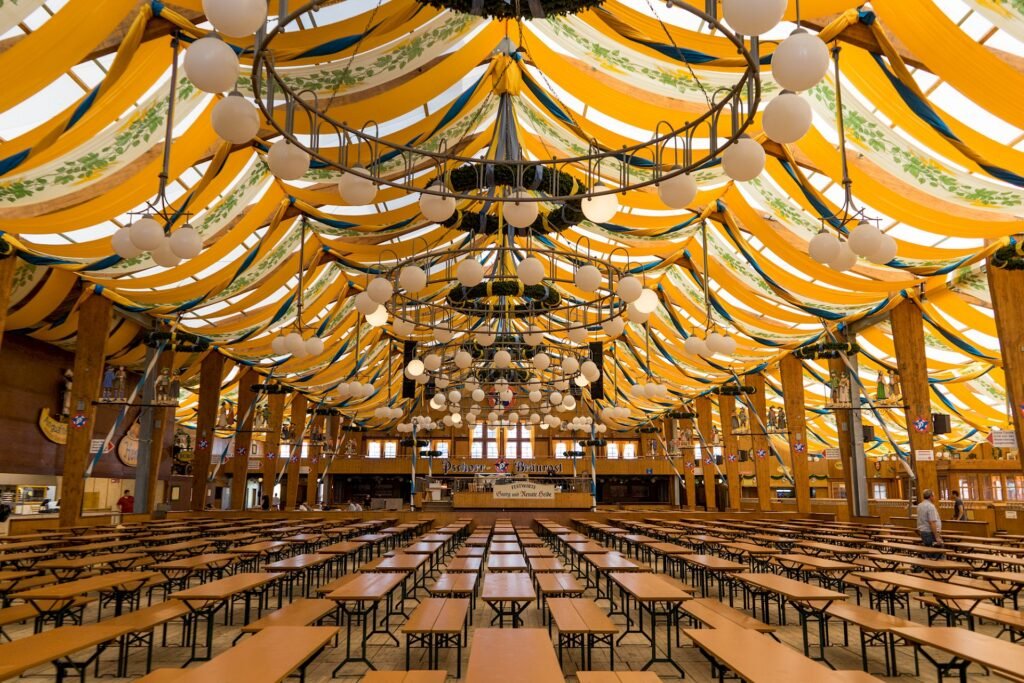
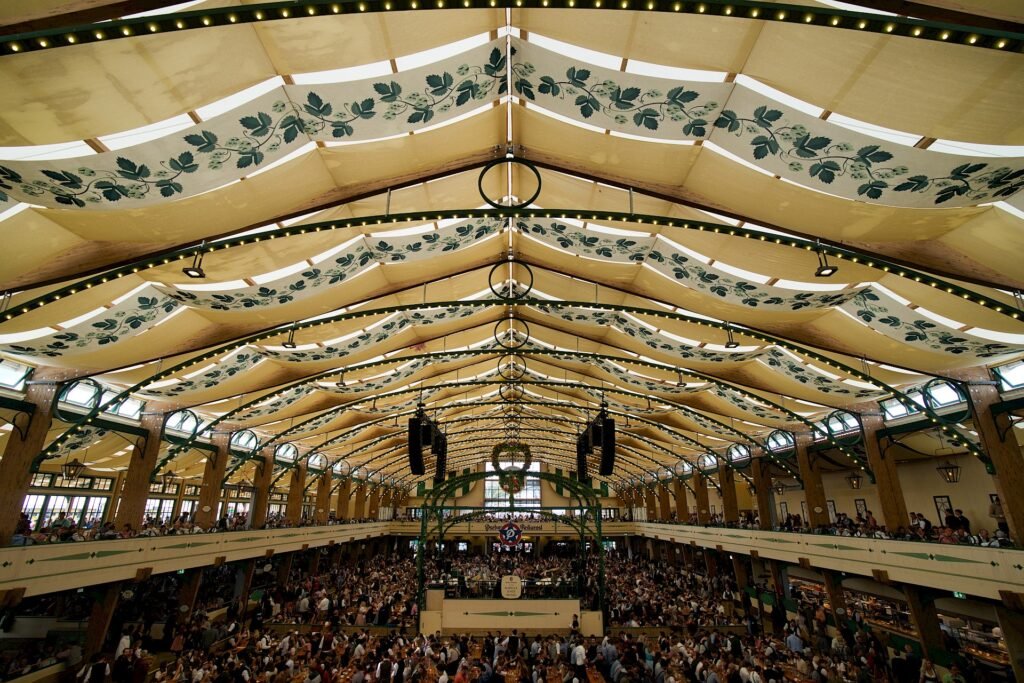
Today the tent seats 6,490 people inside and 1,760 in the beer garden, pouring Hacker-Pschorr beer under host Peter Reichert. At 15 meters, it’s the tallest tent on the Theresienwiese.
Where the Name Comes From
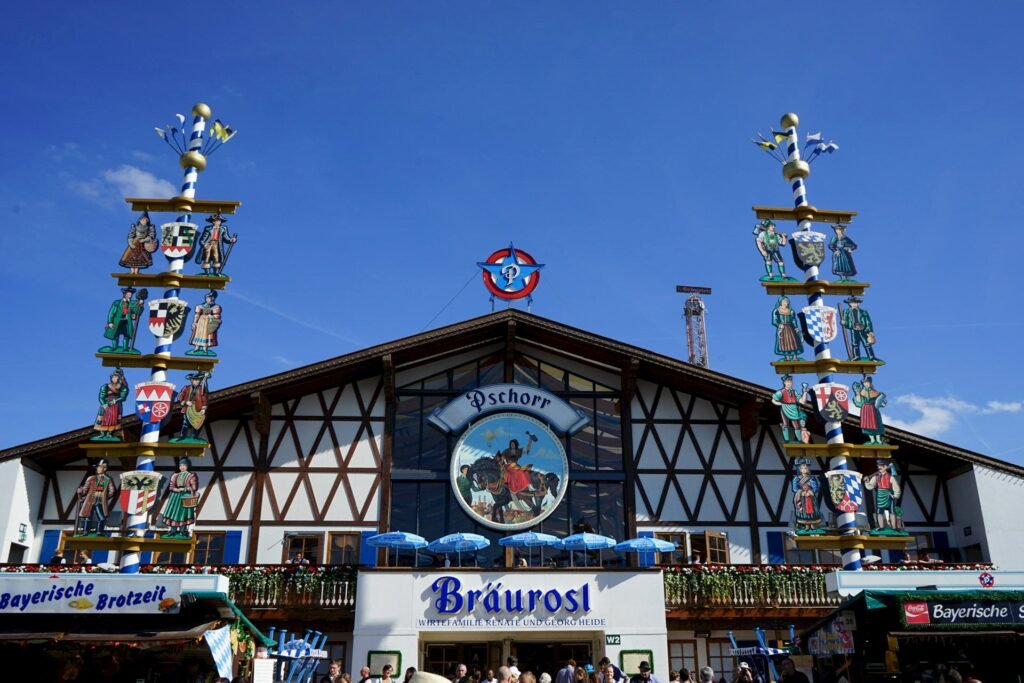
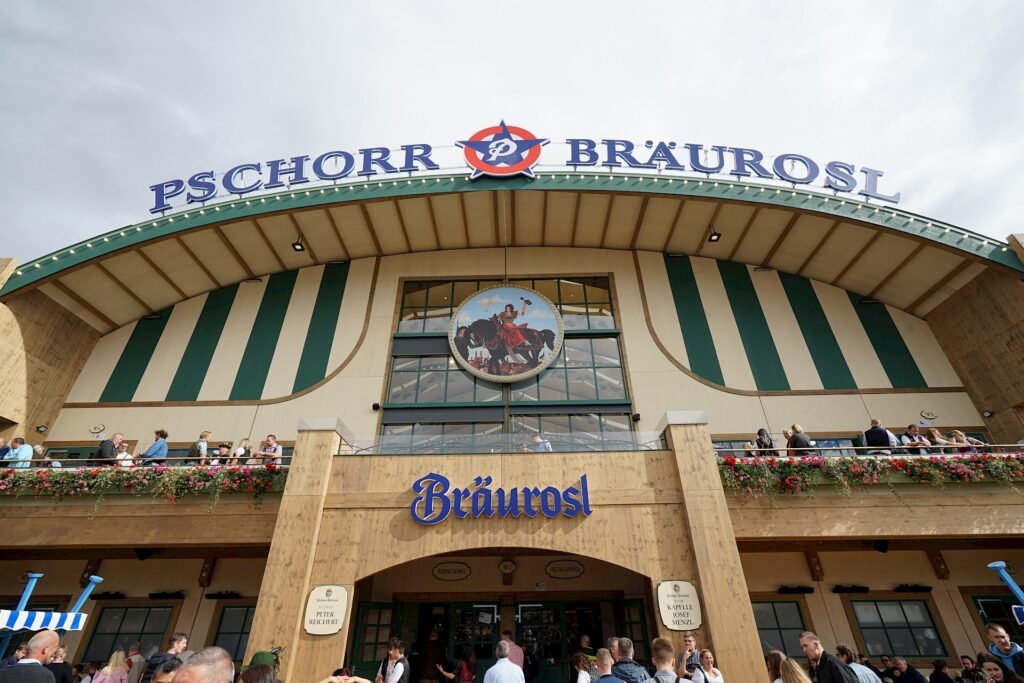
The tent is named after Rosi Pschorr, daughter of the brewery’s founding family, whose portrait still hangs above the entrance. Local accounts differ on the details of her legend, but the throughline that’s held up over decades is simple: she was popular enough with Oktoberfest visitors in her era that hosts named the tent after her, and it stuck.
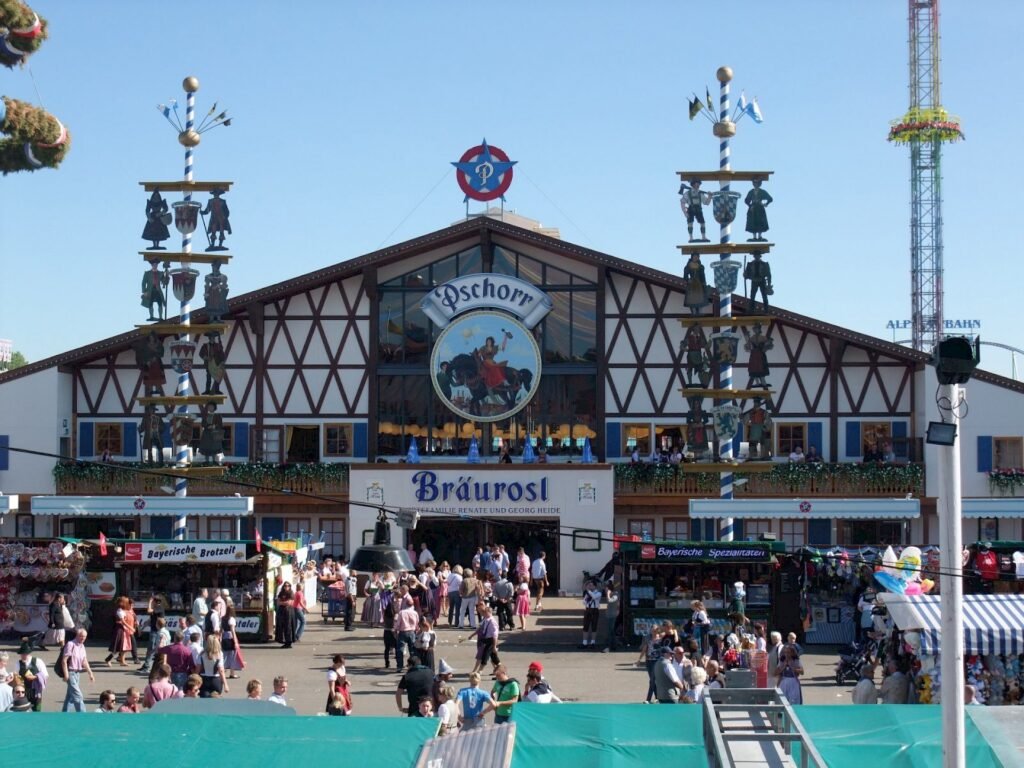
The Bräurosl debuted in 1901 as the first tent at Oktoberfest with electric lighting — a genuinely big deal at a festival still largely lit by gas at the time. By 1913, an even larger successor building briefly held the record for the biggest beer tent ever constructed for the festival, seating up to 12,000 guests before later fire and safety codes made tents that size impossible.
83 Years, One Family
From 1936 until 2019, four generations of the Heide family from Planegg ran the Bräurosl. That’s a longer unbroken run than almost any other tent host on the grounds, and it built the kind of loyal, regular crowd that’s hard to manufacture. The Heides stepped back after the 2020 festival was canceled and their main restaurant business in Planegg closed, ending an 83-year chapter.
Hacker-Pschorr’s parent company, Paulaner, then brought in Peter Reichert, previously the host of the smaller Schönheitskönigin tent on the Oide Wiesn, to take over both the Bräurosl and the historic Donisl restaurant at Marienplatz.
The 2022 Rebuild and a Rough Debut
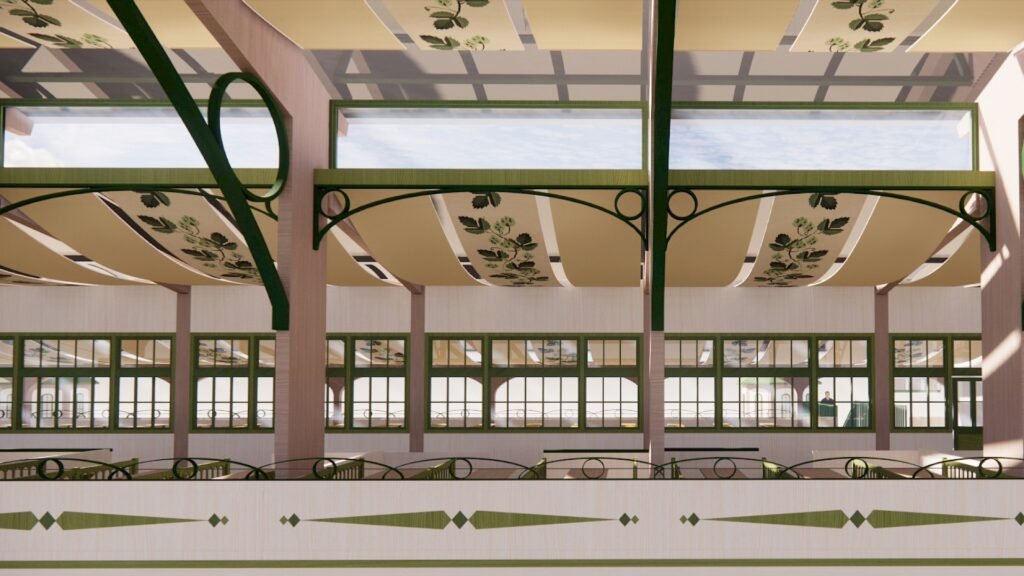
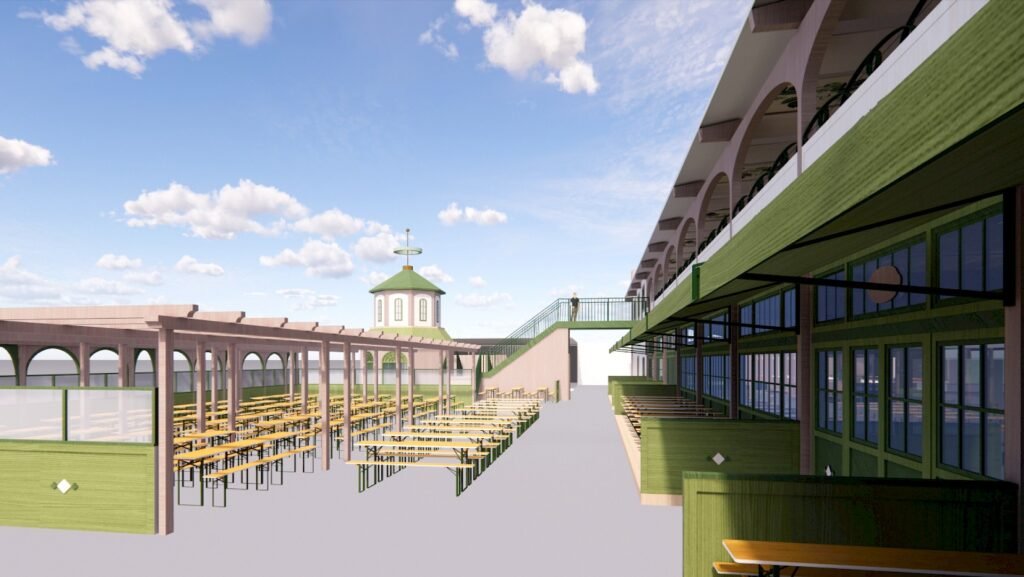
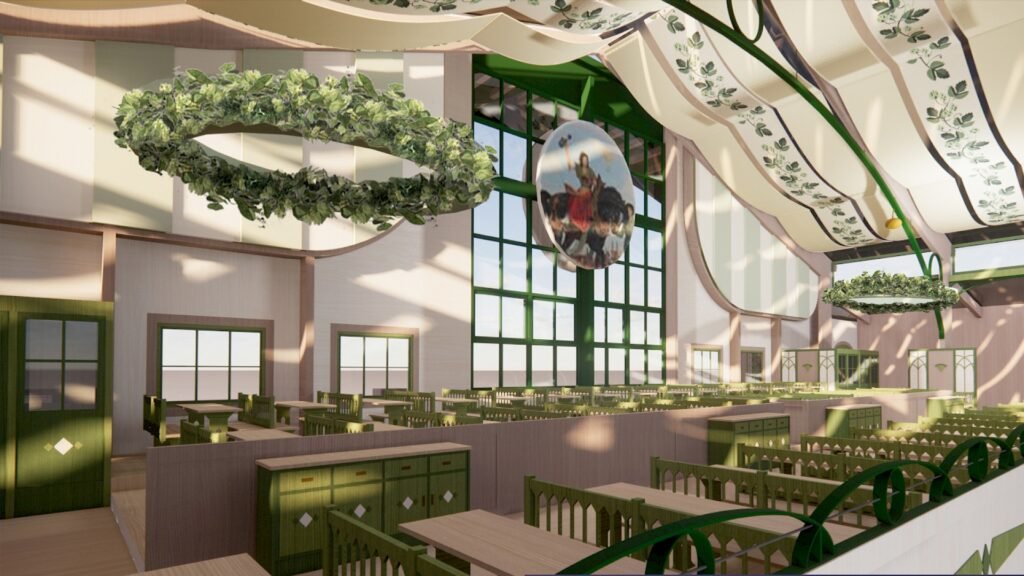
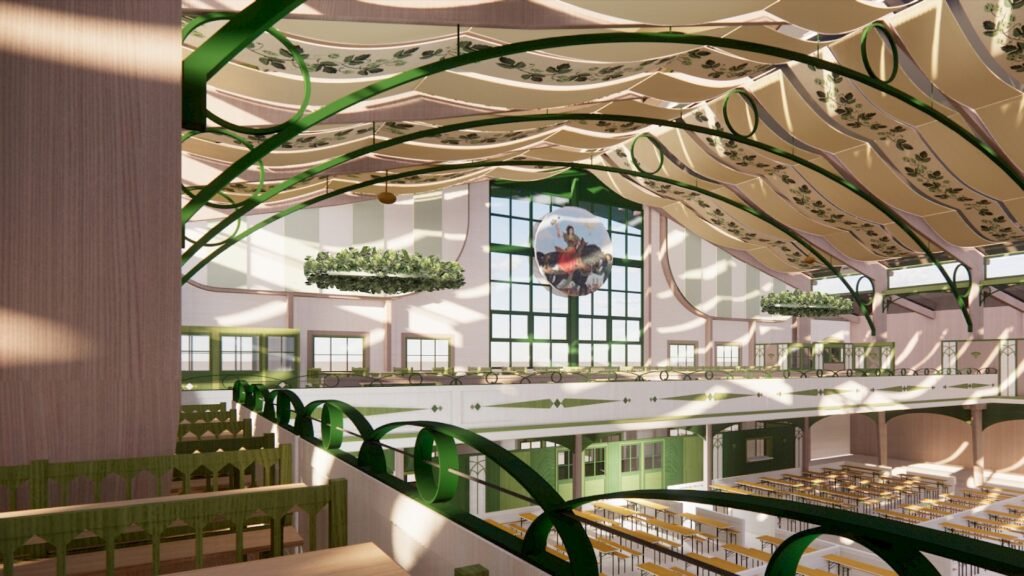
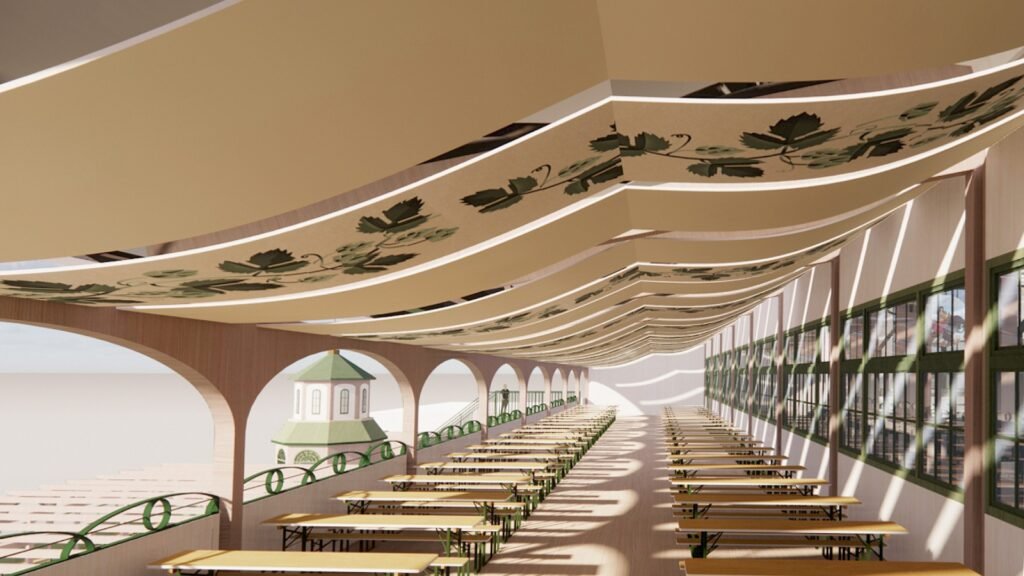
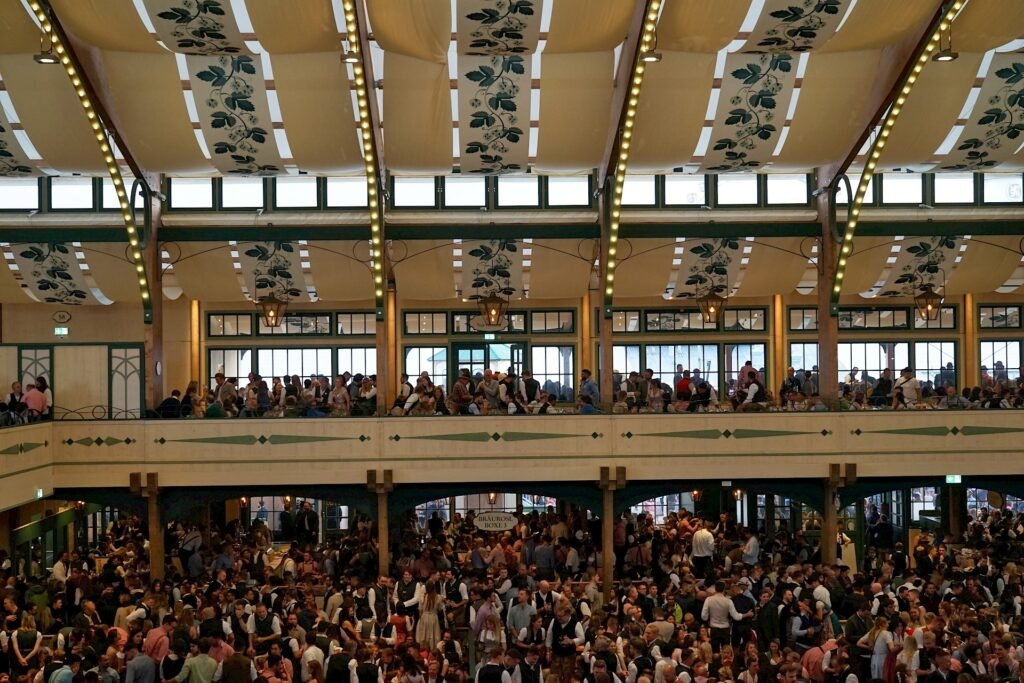
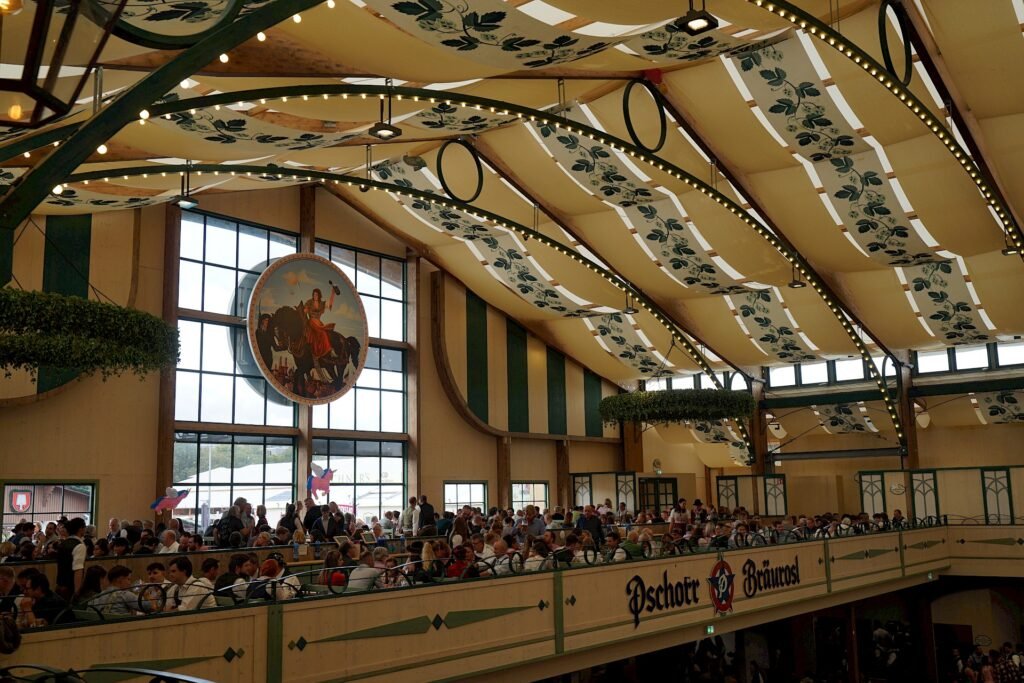
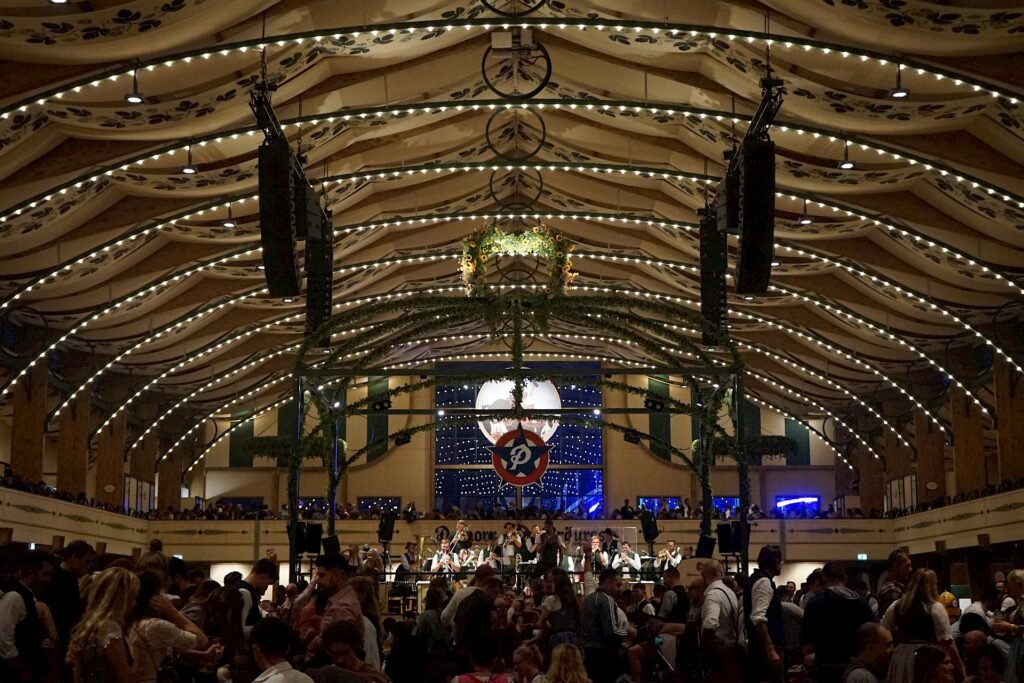
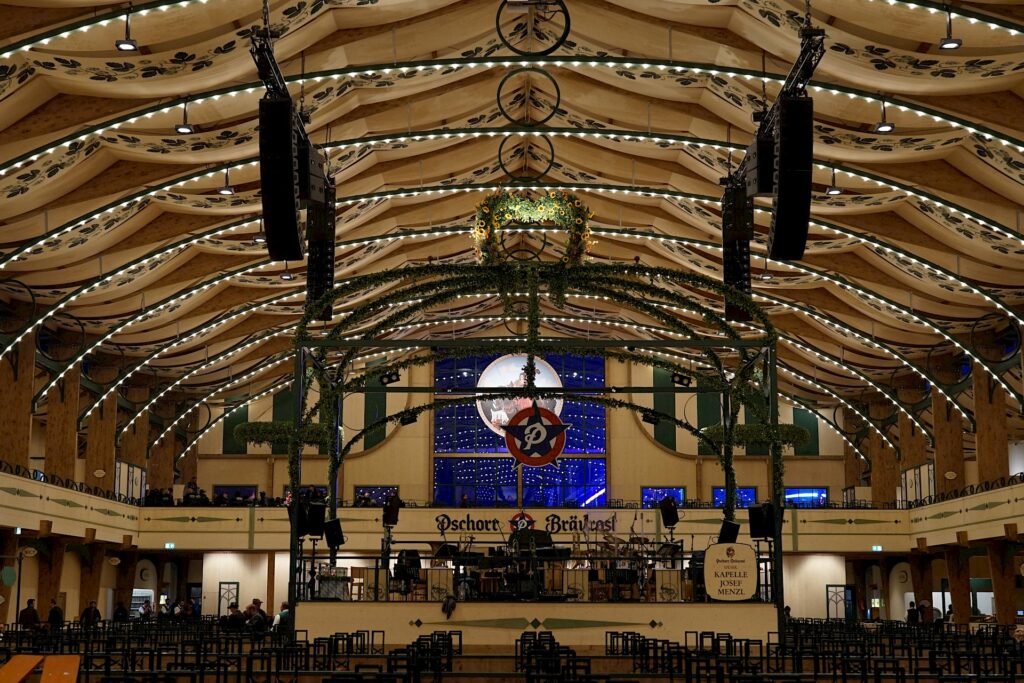
Paulaner-group tents get rebuilt more often than most — the previous Bräurosl building lasted only 15 festivals before a full replacement went up in 2022, modeled on the tent’s historic facade but shifting more seating from the central hall out to a wraparound balcony, similar to changes already tested at the group’s sister tent, Winzerer Fähndl.
Reichert’s first season in the new building did not go smoothly, and German press covered it closely at the time. He initially booked a traditional brass band, which drew complaints from a crowd used to livelier music, and switched to a party band for evenings within days.
City food safety inspectors also flagged hygiene issues at his venues that year, which led to a formal penalty notice from Munich’s district court in 2023; Reichert publicly apologized for the situation while disputing that any food had been knowingly served unsafe, and brought in food-safety consultants to overhaul his standards afterward. Separately, a physical altercation between Reichert and a member of tent security made local news after surveillance footage circulated; that case was closed in December 2022 following a payment, with no further legal action taken.
Munich’s city licensing office reviewed the matter and confirmed Reichert could keep hosting the tent, and Paulaner has continued to back him as host through the 2025 and 2026 festivals. It’s a bumpier recent history than most tents on this list, and it’s worth knowing going in — but by most current accounts, service and standards have stabilized since that first season.
Gay Sunday
However the rest of the year goes, the first Sunday of Oktoberfest belongs to the Bräurosl’s biggest tradition. The Münchner Löwen Club, a local LGBTQ+ organization, started gathering informally at the tent in the 1970s and secured its first full reserved balcony in 1977. What began as a niche meetup has grown into one of the largest single-day LGBTQ+ celebrations in Germany, drawing thousands of attendees in costume, drag performers, and a rainbow flag raised over the stage. Demand has grown enough that the celebration now spills into the following Monday as well.
If you’re not part of the celebration, plan your visit around it — the tent regularly closes to general admission on that Sunday due to capacity.
Music the Rest of the Week
Outside of Gay Sunday, the Bräurosl runs a split music program that’s changed hands a few times since the 2022 rebuild. Currently, Die Karolinenfelder play a mix of Bavarian and Bohemian brass through the afternoon, handing off to the party band Volxxbeat in the evening — a lineup aimed at bridging the tent’s older traditional crowd with the younger party crowd it built a reputation with under the previous hosts.
Getting There
The Bräurosl sits at Wirtsbudenstraße 40, on the eastern edge of the grounds. The U4/U5 Theresienwiese stop is closest by distance but gets heavily congested during peak hours. The U3/U6 to Goetheplatz or Poccistraße is a short walk further but usually moves faster, especially in the evening rush after 6 p.m.
Reservations for 2026
The reservation form for 2026 opened January 30 on the tent’s official site. New for this year: weekend balcony reservations are split into three shifts instead of the usual two, which shortens each individual slot considerably — worth knowing if you’re planning a long, relaxed sit-down rather than a quick visit.
One piece of advice worth repeating: skip the set menus. They cost noticeably more than ordering the same dishes individually, and they’re less flexible if anyone in your group wants something different.
How It Compares to Other Big Tents
- Vs. Hacker-Festzelt — Hacker is the festival’s most famous party tent, with a painted sky ceiling and a set list built entirely around singing along. The Bräurosl’s evening energy is similar, but the daytime hours are noticeably calmer and more traditional here.
- Vs. Winzerer Fähndl (Paulaner Festzelt) — Same parent company, similar rebuild style and balcony layout, but Winzerer Fähndl has had a steadier, less newsworthy few years as a host. If the Bräurosl’s recent history gives you pause, its sister tent is the closest equivalent experience.
- Vs. Schützen-Festzelt — Smaller and quieter, popular with Bavarian shooting clubs, and a solid alternative if you want tradition without the scale or the recent turbulence.
Who Should Book This Tent
This tent is worth prioritizing if you want to be part of Gay Sunday specifically, if you like a tent that leans more party than traditional in the evening, or if you’re drawn to tents with genuine, ongoing news stories rather than a quiet, unchanging reputation.
It’s a weaker fit if hygiene controversy or host turnover is a dealbreaker for you regardless of how it’s since been addressed, or if you’re specifically chasing old-school Bavarian brass music all evening rather than a party band after dark.
Bräurosl 2022
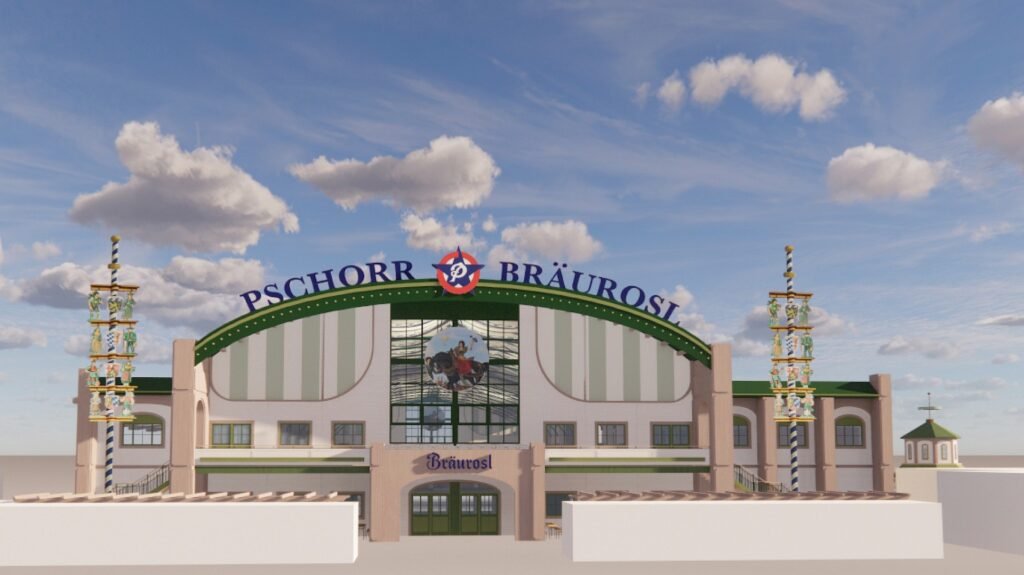
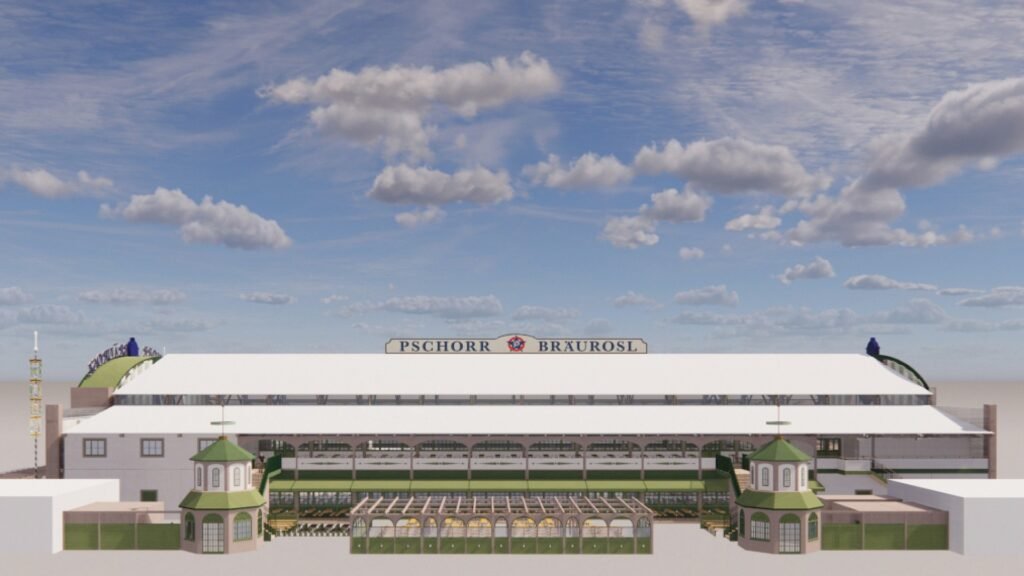
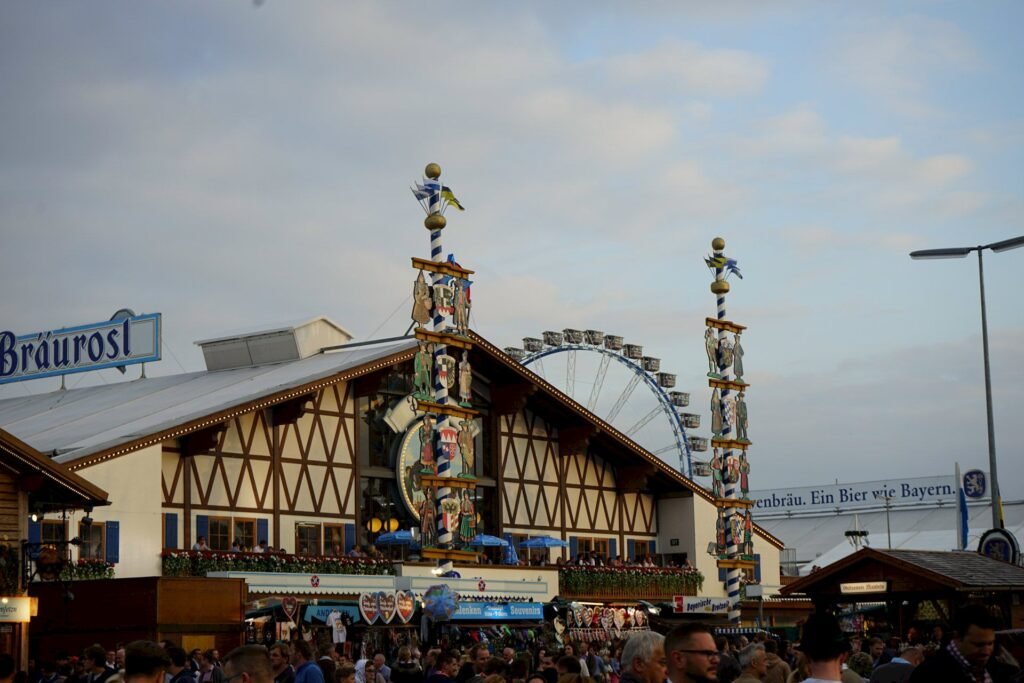
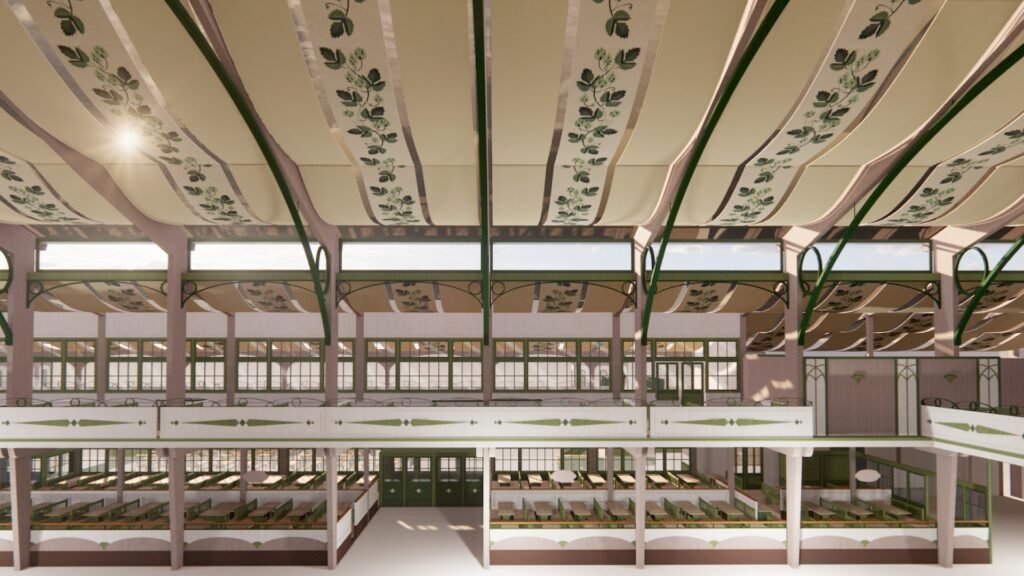
Bräurosl Munich 2004-2019
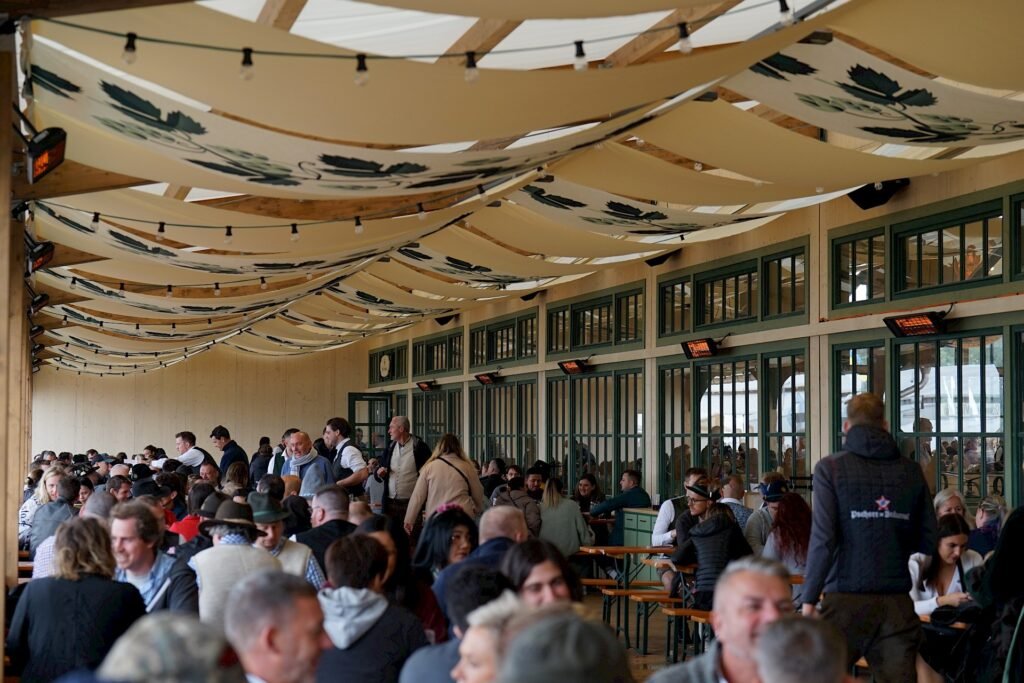
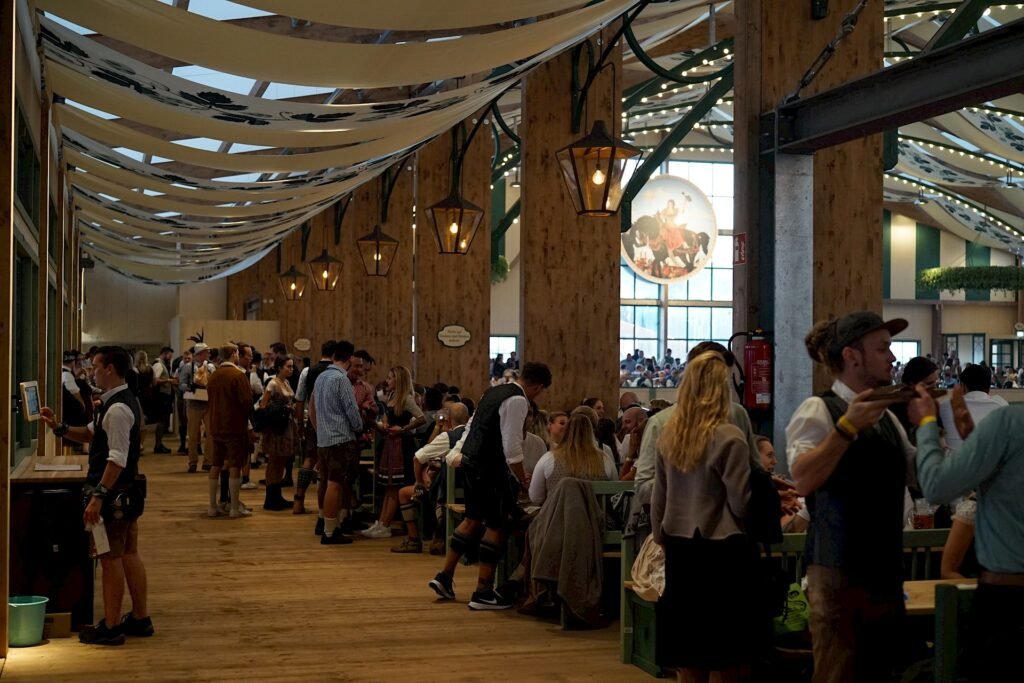
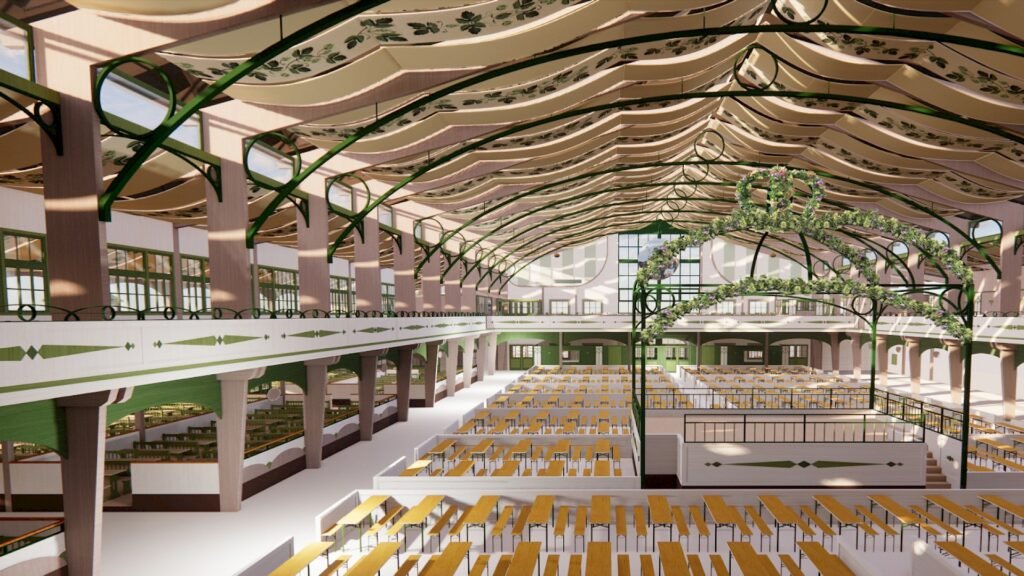
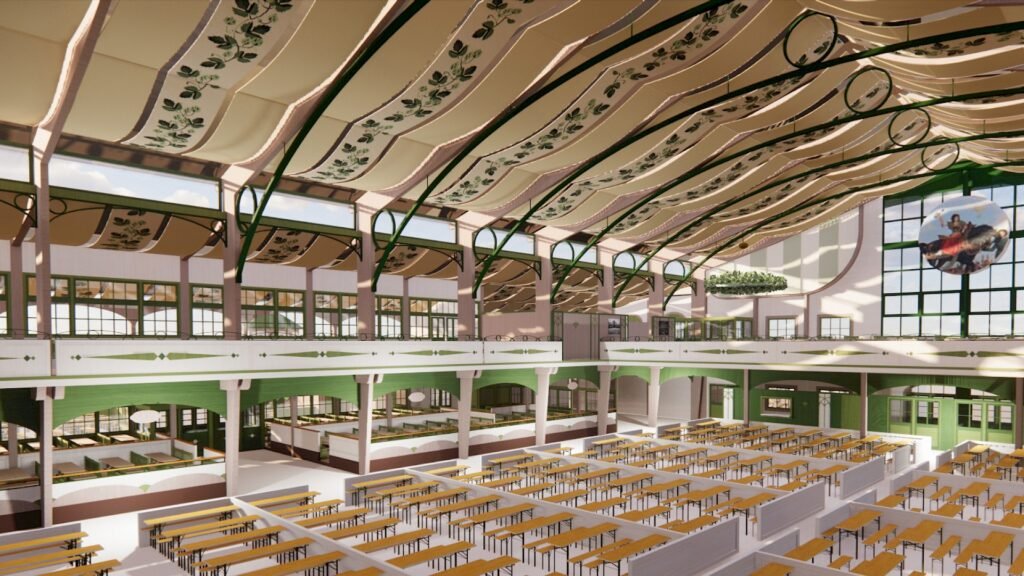
Bräurosl Designs Oktoberfest 2022
Quick Facts
| Seats inside | 6,490 |
| Seats outside | 1,760 |
| Beer | Hacker-Pschorr |
| Host | Peter Reichert |
| Music | Die Karolinenfelder (day); Volxxbeat (evening) |
| Address | Wirtsbudenstraße 40, Theresienwiese |
| Founded | 1901 |
| Website | braeurosl.de |